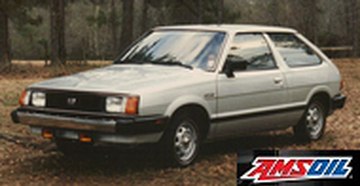
Engine Lubrication Care for the 1981 Subaru 2-DOOR 1.6L
Maintaining the engine lubrication system in a 1981 Subaru 2-DOOR with the 1.6L EA71 engine requires consistent attention to fluid condition and component integrity. As vehicles age, the way they manage heat and internal friction becomes increasingly dependent on the quality of the lubricants used and the diligence of the owner during routine inspections.Monitoring Fluid Condition and Potential Leaks
One of the most effective ways to monitor the health of the 1.6L engine is through regular visual inspections for fluid seepage. Because this vehicle has been in operation for several decades, it is practical to check various sealing surfaces for signs of age-related leakage. When performing a routine inspection, look for any wetness or residue around the engine block and associated components. If you notice fresh oil appearing on the underside of the engine or on driveway surfaces, it may indicate that a gasket or seal is no longer providing an effective barrier. It is important to note that a single symptom, such as a small puddle, can be associated with several different sources. Rather than assuming a specific component has failed, use these observations as a prompt for a more thorough investigation of the engine area. Furthermore, checking the appearance of the oil itself can provide useful information. If the lubricant appears excessively dark or contains visible particulates, it may warrant an earlier service interval than originally planned. Maintaining clean and fresh oil is essential for managing the internal environment of the engine and preventing the buildup of deposits that can occur over long periods of operation.Observing Changes in Engine Operation
Beyond visual inspections of the exterior, paying attention to how the vehicle behaves during operation is a vital part of ownership. Changes in the way an engine sounds or smells can be early indicators that the lubrication system requires attention. For example, if you notice unusual mechanical noises that were not previously present, this could be related to changes in lubricant viscosity or levels. Similarly, certain odors may indicate that oil is contacting hot external surfaces. While these symptoms can have multiple causes, they should never be ignored. If you observe any changes in the way the engine runs or if warning indicators appear on the dashboard, these should be investigated promptly. A proactive approach to identifying these subtle shifts helps prevent minor issues from developing into more significant mechanical concerns.Prioritizing Maintenance Based on Current Condition
For an older vehicle like the 1981 Subaru 2-DOOR, maintenance priorities should ideally be driven by the actual condition of the machine rather than just its age. If you are stepping into ownership of this vehicle without a complete service history, your first goal should be to establish a maintenance baseline. This involves documenting all recent fluid changes, filter replacements, and any repairs that have been performed. Once a baseline is established, you can prioritize tasks based on what the vehicle actually needs. For instance:- Address any active leaks or visible seepage identified during inspections.
- Monitor for any unusual consumption of oil between service intervals.
- Inspect age-sensitive components, such as accessible belts (if equipped) and hoses, for signs of cracking, glazing, or deterioration.
- Review existing maintenance records to identify if any critical services have been deferred.
Managing Aging Engine Components
As a vehicle reaches higher decades of service, certain materials naturally undergo changes. While it is not a rule that every component will fail due to age, it is wise to be observant of aging materials. This includes checking electrical connections for corrosion and ensuring that air filtration components are clean and free of debris. If the vehicle is equipped with various belts or hoses, these should be inspected regularly for signs of wear. Cracking in a belt or a soft, spongy feel in a hose can indicate that the material is losing its structural integrity. Regular, careful observation allows you to replace these items before they lead to unexpected interruptions in service.The Role of Clean Lubrication in Engine Health
The engine oil in the 1.6L EA71 serves several vital roles beyond simple lubrication. It acts as a medium for heat management, helping to carry thermal energy away from critical internal areas. It also plays a role in managing contaminants by suspending small particles so they can be captured by the oil filter. Maintaining high lubricant quality is essential for minimizing friction and preventing the formation of sludge or other deposits. Over time, the chemical properties of oil can break down due to heat and oxidation. Using an appropriate lubricant that meets the necessary standards helps ensure that the engine remains protected against these processes, supporting long-term mechanical stability.Practical Guidance for Buying Engine Oil for your 1981 Subaru 2-DOOR 1.6L
When it is time to replenish your engine's lubrication, the most important step is to match the lubricant to the specific requirements of your application. Do not rely on general automotive knowledge or assumptions based on the vehicle's age to select a grade. Instead, always refer to the vehicle-specific oil viscosity and application information provided on this webpage. When you are ready to purchase, consider the following practical steps:- Match the lubricant exactly to the viscosity information shown in the application data above.
- Verify that the product labeling indicates it meets the appropriate API service classifications.
- If your engine shows signs of high mileage, you may consider looking at high-mileage formulations, which sometimes include seal-conditioning additives intended for use in aging engines.
- Always check the physical container to ensure the specifications match what is required for your 1981 Subaru 2-DOOR 1.6L.